

Each year, thousands of immigrants — many of them lawful U.S. residents — are arrested by Immigration and Customs Enforcement and held in detention centers while they fight to stay in the country.
Detention separates people from their families and communities, puts their homes, jobs, public benefits, and healthcare at risk, and makes it harder for them to defend their right to remain in their home. Because detention limits access to high-quality legal representation, it denies people the chance to build their legal case for staying in the U.S. Many immigrants are granted bonds yet stay locked up simply because they cannot afford to pay them.
By raising money to post bonds for those who cannot otherwise afford them, we empower individuals to resist deportation and return to their homes, jobs, families, and communities while they await their hearings.

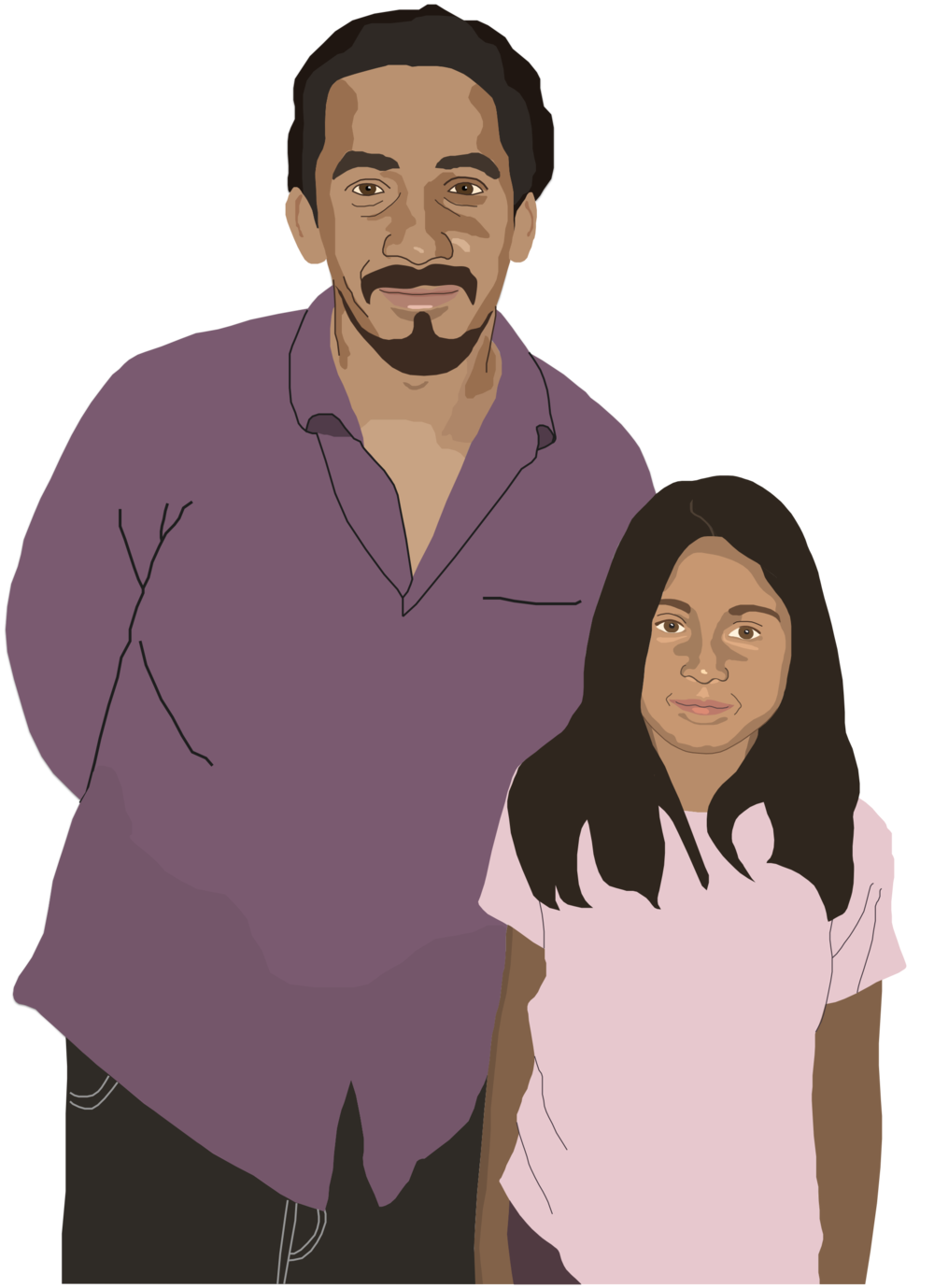
José
José is a father who was held by ICE for nine months and could not care for his daughter. He came to the U.S. at age 15 — more than two decades ago. He was granted a $20,000 bond, but raising that sum was out of reach for him. As a result, he remained in detention, unable to defend himself or give a judge the crucial evidence that could have allowed him to obtain permanent legal status.
After nine months, we were able to pay most of José's bond and secure his release. Today José stays with his cousin while he prepares for his hearing in July. He can see his 9-year-old daughter and gather evidence as he works to remain in the United States with his daughter and the community he has been part of for more than two decades.
*Statistics from Northern California Collaborative for Immigrant Justice, “Access to Justice for Immigrant Families and Communities: Study of Legal Representation of Detained Immigrants in Northern California,” Oct. 2014, Executive Office of Immigration Review statistics, and TRACImmigration, "Three-fold Difference in Immigration Bond Amounts by Court Location," July 2018.